PreparedAlready.com

Disaster Management
Emergency & Risk Management
Issues - Planning - Strategies - Solutions













Disaster Management - An Overview
Disaster management is the organization and management of resources and responsibilities for dealing with all humanitarian aspects of emergencies, in particular preparedness, response, and recovery, to lessen the impact of disasters. It is a cyclical process that involves government facilities, private organizations, and community involvement to protect people before, during, and after a major event.
The disaster management cycle
The standard disaster management framework involves four or five key phases, though they can overlap.
1. Mitigation
Mitigation involves proactive actions taken to reduce the long-term risk and impact of a hazard before a disaster occurs.
Examples of mitigation include enforcing and amending building codes, enacting zoning requirements to prevent construction in floodplains, and reinforcing infrastructure.
For individuals, mitigation includes things like installing carbon monoxide alarms and securing heavy furniture in earthquake zones.
2. Preparedness
Preparedness is the process of planning, training, and equipping for an effective response.
Examples of preparedness include developing emergency plans, training first responders, conducting disaster exercises, and creating public awareness campaigns.
For individuals, preparedness involves assembling emergency kits with essential supplies like food and water, establishing family communication plans, and knowing evacuation routes.
3. Response
The response phase consists of the immediate actions taken during and after a disaster to save lives, reduce economic losses, and alleviate suffering.
Examples of response activities include search and rescue operations, activating emergency operation centers, providing mass care and shelter, and delivering emergency medical care.
Effective response depends on efficient coordination of resources, which can come from local, state, federal, and non-governmental agencies.
4. Recovery
Recovery includes activities that continue after the immediate emergency period to restore critical community functions and manage stabilization efforts. This process can be long-term, sometimes taking years.
Recovery actions include debris cleanup, providing financial assistance to individuals and governments, restoring utilities and critical infrastructure, and offering psychological support.
A major goal is to help individuals and communities return to normalcy or a "new normal" and to rebuild in a more resilient manner.
Major types of disasters
Disasters can be categorized based on their origin, requiring different management strategies.
Natural disasters
Geophysical events: Earthquakes, volcanic eruptions, and landslides.
Meteorological events: Hurricanes, tornadoes, and floods.
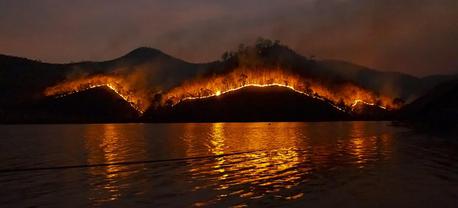
Climatological events: Droughts and wildfires.
Biological events: Pandemics and epidemics.
Man-made disasters
Technological disasters: Chemical spills, structural collapses, or power outages.
Human-caused crises: Terrorism, civil unrest, and armed conflict.
Key organizations and agencies
Various organizations operate on local, national, and international levels to coordinate disaster management efforts.
In the United States:
Federal Emergency Management Agency (FEMA): The lead federal agency for emergency management, which supports state and local authorities.
Citizen Corps: A volunteer program under FEMA that educates the public on disaster preparedness.
The American Red Cross and Salvation Army: Key non-governmental organizations that provide shelter, food, and other relief services.
International:
United Nations Office for Disaster Risk Reduction (UNDRR): Defines terms and promotes strategies for reducing disaster risk globally.
International Federation of Red Cross and Red Crescent Societies (IFRC): A global network of organizations that provides humanitarian aid during emergencies.