PreparedAlready.com

Homeowner Disaster Resources & Links


Resources For Home Owners After A Disaster
After a disaster, homeowners can seek resources from government agencies like FEMA, the Small Business Administration (SBA), and the Department of Housing and Urban Development (HUD), as well as numerous non-profit organizations.
Federal assistance
Federal Emergency Management Agency (FEMA): Provides grants for temporary housing, home repairs, and other disaster-related needs for uninsured losses caused by a presidentially declared disaster. You must file an insurance claim first and submit the settlement or denial letter to FEMA.
Apply: The fastest way to apply is online at DisasterAssistance.gov or through the FEMA mobile app. You can also call the FEMA Helpline at 1-800-621-3362.
Housing assistance: Includes funds for rent, home repair or replacement, and lodging expense reimbursement.
Other Needs Assistance: Offers money for essential items like food, water, medical costs, and sanitation supplies.
U.S. Small Business Administration (SBA): Offers low-interest disaster loans to homeowners and renters in declared disaster areas. You do not need to own a business to be eligible.
Home and personal property loans: Homeowners can apply for up to $200,000 for home repairs or replacement, and up to $40,000 for personal property. Renters can also apply for personal property loans.
Mitigation assistance: Borrowers may be eligible for an increase of up to 20% on their loan to make improvements that prevent future property damage.
Application process: You must register with FEMA at DisasterAssistance.gov to start the process. You can then apply online through the MySBA Loan Portal.
Department of Housing and Urban Development (HUD): Provides support for long-term recovery efforts in federally declared disaster areas.
Community Development Block Grant Disaster Recovery (CDBG-DR): Offers funds to local governments to aid in recovery efforts. Homeowners should contact their state or local community development office to find out about qualifying for and applying for these programs.
FHA mortgage relief: HUD can provide disaster relief options for FHA-insured homeowners.
Non-profit organizations
American Red Cross: Offers emergency assistance, temporary shelter, food, relief supplies, and health services in the immediate aftermath of a disaster.
The Salvation Army: Provides food, shelter, clothing, and other emergency aid to disaster survivors.
SBP (formerly St. Bernard Project): Works to shrink the time between disaster and recovery by rebuilding homes for low- to moderate-income families.
Team Rubicon: A disaster relief organization composed of military veterans and first responders who assist with debris management and rebuilding efforts.
Convoy of Hope: Provides food, supplies, and other humanitarian services to people affected by disasters.
Habitat for Humanity: Offers disaster response services, including home repair and rebuilding, to help families recover.
Local and state government resources
State Emergency Management Agencies: Most states have an agency, like the Florida Division of Emergency Management, that coordinates disaster response and recovery.
State Housing Initiatives Partnership (SHIP) program: In Florida, local SHIP offices may offer recovery assistance for temporary relocation, rental aid, and home repairs after a storm.
Disaster Contractors Network (DCN): A free resource, like Florida's DCNOnline.org, that connects homeowners with licensed contractors for emergency repairs and helps prevent fraud.
Protecting yourself from fraud
After a disaster, be vigilant for scam artists and criminals trying to take advantage of disaster survivors.
Contact your state attorney general's office or consumer protection agency to report suspected fraud.

Other Federal Programs That Help Homeowners After A Disaster
After FEMA and the Small Business Administration (SBA), other federal programs provide significant assistance to homeowners recovering from a disaster. These are managed by the Department of Housing and Urban Development (HUD), the U.S. Department of Agriculture (USDA), and the Department of the Treasury.
Department of Housing and Urban Development (HUD)
Community Development Block Grant Disaster Recovery (CDBG-DR) Program: This program allocates grant funding to states, counties, and cities to support long-term recovery in areas with presidential disaster declarations.
Homeowners should contact their local or state community development office to see what they might qualify for, as individuals cannot apply directly to HUD.
Funds from CDBG-DR can support housing, business, and infrastructure needs.
FHA Mortgage Insurance for Disaster Victims (Section 203(h)): This program provides mortgage insurance to help victims in presidentially declared disaster areas buy or rebuild a home. It allows lenders to offer mortgages to qualified disaster victims with no down payment.
To qualify, your home must have been destroyed or extensively damaged, and the new or reconstructed home must be your principal residence.
You must apply through an FHA-approved lending institution within one year of the disaster declaration.
FHA mortgage relief: HUD can offer disaster relief options for FHA-insured homeowners. Homeowners with an FHA mortgage who are affected by a disaster can call 1-800-CALL-FHA for assistance.
U.S. Department of Agriculture (USDA)
Rural Development Disaster Assistance: The USDA offers assistance to rural residents, businesses, and communities impacted by disasters.
Rural Disaster Home Repair Grants: Provides grants of up to $44,000 to very-low and low-income homeowners in eligible rural areas to repair homes damaged in declared disasters.
Single Family Housing Repair Loans and Grants (Section 504): Offers loans at a fixed 1% interest rate for up to $40,000 to very-low-income homeowners to make repairs. Grants of up to $10,000 are also available to elderly, very-low-income homeowners to remove health and safety hazards. After a disaster, the maximum grant increases to $15,000.
Loan Servicing Options: For borrowers with existing USDA home loans, the department offers options for assistance during a disaster.
U.S. Department of the Treasury
Homeowner Assistance Fund (HAF): While established in response to the COVID-19 pandemic, funds can be used for financial hardships, including some related to disasters. The funds were provided to state and territorial housing agencies to assist homeowners with mortgage payments, homeowner's insurance, utility payments, and other needs.
Tax relief from the IRS
Disaster-related tax relief: The IRS may offer tax relief to people in federally declared disaster areas, including filing extensions and expedited refunds for certain losses. You can find more information on the IRS website.

USDA Programs to Help Rural Homeowners Relocate After A Disaster
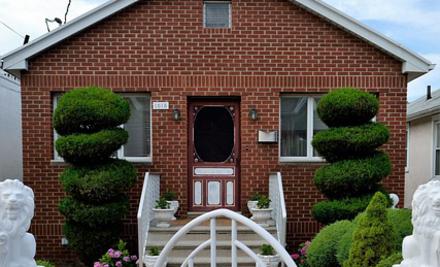
The USDA has programs that can help rural homeowners who need to relocate after a disaster. The primary options are the Single Family Housing Direct Home Loan Program and the Single Family Housing Guaranteed Loan Program, both of which can be used to purchase a new or existing dwelling.
For homeowners displaced by a disaster, the USDA's Single Family Housing programs are designed to help low- and very-low-income families obtain financing to buy or build a new home in an eligible rural area.
Single Family Housing Direct Loan Program (Section 502 Direct)
This program provides loans directly from the USDA to help low- and very-low-income applicants obtain adequate, safe, and sanitary housing in eligible rural areas.
How it can help you relocate: The loans can be used for the purchase of an existing home, the construction of a new home, or to relocate a manufactured home.
Financial terms: The program offers no down payment to qualified borrowers, and payment assistance can reduce the mortgage payment for a time.
Disaster-specific provisions: After a disaster, existing Direct Loan borrowers who have lost their jobs or sustained property damage may be eligible for a moratorium on payments for up to 24 months.
Single Family Housing Guaranteed Loan Program (Section 502 Guaranteed)
This program assists low- and moderate-income households by providing a 90% loan note guarantee to approved lenders, which allows the lenders to offer 100% financing to eligible rural homebuyers.
How it can help you relocate: Funds can be used to purchase, build, rehabilitate, or relocate a dwelling in an eligible rural area with no down payment for those who qualify.
Income eligibility: This program is for low- to moderate-income borrowers, with income limits set at 115% of the median household income for the area.
Eligibility and next steps
For any of these programs, all standard eligibility requirements still apply. Before applying for a USDA program, you should:
Register with FEMA: For most federal disaster aid, you must first register with the Federal Emergency Management Agency (FEMA) at DisasterAssistance.gov.
Contact insurance companies: All USDA disaster assistance requires applicants to first exhaust any assistance from insurance and other sources.
Verify property and income eligibility: Use the USDA's eligibility website to confirm that your new property is in an eligible rural area and that your household meets the income limits.
Contact a USDA home loan specialist: For personalized guidance and to begin the application process, contact a USDA home loan specialist in your area.

USDA Programs For Temporary
Housing Assistance After A Disaster
The U.S. Department of Agriculture (USDA) primarily offers long-term housing solutions, but it also has programs that assist with temporary housing needs after a disaster, particularly through its support for multifamily rental properties. The USDA's role is different from the Federal Emergency Management Agency (FEMA), which provides the most immediate forms of temporary housing assistance.
Priority housing access (Letters of Priority Entitlement)
For homeowners who were already living in a USDA-financed rental property, the USDA can issue a Letter of Priority Entitlement (LOPE).
How it helps: A LOPE provides priority placement on the waiting lists for other vacant units in USDA Rural Development-financed multifamily properties, and in some cases, for properties financed by the U.S. Department of Housing and Urban Development (HUD).
Where to find rentals: You can search for USDA-financed multifamily rentals on the Rural Development website.
How to apply: If you were displaced from a USDA-financed rental, you can request a LOPE from the USDA Rural Development office.
Assistance for existing USDA loan borrowers
For homeowners with a current USDA Single Family Housing loan, the agency can provide temporary relief from mortgage payments.
Payment moratorium: USDA can grant a moratorium of up to 180 days on mortgage payments for borrowers in federally declared disaster areas. This can provide a period of stability while you secure temporary shelter.
Foreclosure moratorium: The USDA can place a hold on foreclosures for a limited time following a disaster declaration.
Other key resources for temporary housing
While the USDA has specific disaster relief measures, most immediate temporary housing assistance comes from FEMA and other organizations.
FEMA:
Transitional Sheltering Assistance (TSA): Can pay for short-term stays in a hotel or motel.
Rental Assistance: Provides funds to help you rent temporary housing.
American Red Cross: Offers emergency shelters in affected areas immediately following a disaster.
The Salvation Army: Provides emergency shelters and caseworkers to help families displaced by a disaster.
Local or state resources: In some areas, calling 211 or searching online for your state's housing or emergency management agency can connect you with local resources for temporary housing.

Other Agencies That Help With
Temporary Housing After Disasters
In addition to FEMA and the USDA, several other agencies and organizations provide temporary housing assistance after a disaster. Options range from emergency shelters for immediate needs to temporary financial assistance for short-term rentals.
Non-profit organizations
American Red Cross: A primary provider of emergency services, the Red Cross offers immediate disaster relief.
Emergency shelters: The organization sets up temporary shelters in public facilities like schools and community centers, providing a safe place to sleep, food, and water.
Shelter map: An online map helps people find the nearest open Red Cross shelter.
The Salvation Army: Along with providing food and relief supplies, this organization offers temporary shelter and emergency lodging.
Disaster relief hubs: In major disasters, the Salvation Army establishes hubs for shelter, meals, and counseling, sometimes working with other agencies.
Emergency lodging: For certain circumstances, the Salvation Army can provide funds for a short-term hotel stay.
Family Promise: This organization provides temporary accommodations and supportive services specifically for families experiencing homelessness due to a disaster or other crises.
Federal agencies
Department of Housing and Urban Development (HUD): While HUD's recovery programs are often long-term, it offers immediate resources for temporary sheltering.
211 support: HUD directs people to call 211 to connect with local social services and referrals for emergency housing.
Counseling services: HUD-approved housing counseling agencies can provide personalized advice for your housing needs following a disaster.
Low-Income Home Energy Assistance Program (LIHEAP): This federal program provides funds to states to assist low-income households with energy costs, but some states use LIHEAP to help with shelter costs after a natural disaster.
State and local assistance
Local emergency services: At the immediate onset of a disaster, local emergency management agencies and first responders are the first line of support and will direct residents to the nearest shelters.
State-specific programs: Some states, like Florida, have their own initiatives to help residents. For example, Florida's State Housing Initiatives Partnership (SHIP) program may assist with temporary relocation and rental assistance.
211 Hotline: By dialing 211, you can access local, state, and community-level services, including information on emergency housing, food, and other resources.
How to get started
Register with FEMA: For most federal disaster aid, you must first register with FEMA at DisasterAssistance.gov or by calling 1-800-621-3362. This determines your eligibility for FEMA's own housing assistance, including Transitional Sheltering Assistance (TSA), and is often a prerequisite for other programs.
Contact insurance providers: You should contact your homeowner's or renter's insurance company as soon as possible to start the claims process.
Use available hotlines: For immediate needs, use hotlines like 211 for local services or the Red Cross at 1-800-RED-CROSS (1-800-733-2767).

HUD's Emergency Housing Resources
For individual homeowners and families displaced by a disaster, the U.S. Department of Housing and Urban Development (HUD) provides temporary housing assistance primarily through local partners, not directly to individuals. Its programs are designed to assist people experiencing or at risk of homelessness and can be adapted to serve disaster survivors.
How to access HUD assistance
Dial 211: The fastest way to find HUD-supported emergency housing is to dial 211 in most areas of the U.S. This connects you with local social services and gives you referrals to emergency housing and other community resources.
Contact a HUD-approved housing counselor: Trained and certified housing counselors offer independent advice, customized to your situation, and can connect you with local resources and programs. You can find a counselor by visiting HUD.gov or by calling 1-800-569-4287.
Visit DisasterAssistance.gov: As with other federal programs, your first step should be to register with FEMA. HUD partners with FEMA and other agencies in the wake of a presidential disaster declaration.
Call the HUD Disaster Line: You can call 1-800-304-9320 or email recovery@hud.gov for disaster-related questions.
Key HUD programs for emergency housing
Emergency Solutions Grants (ESG) Program: This program awards grants to state and local governments to assist people with rapidly regaining stability in permanent housing after experiencing a housing crisis or homelessness. After a disaster, HUD has authority to waive some standard requirements, such as matching funds, to accelerate recovery.
Eligible activities: Grantees can use funds for emergency shelter operations, homelessness prevention, and rapid re-housing assistance.
Community Development Block Grant Disaster Recovery (CDBG-DR) Program: Following a presidentially declared disaster, Congress may appropriate flexible CDBG-DR funds to affected states and localities for long-term recovery. While CDBG-DR is not specifically for temporary housing, it can fund housing-related activities.
How it works: Individuals must contact their state or local community development office to find out about local programs funded by CDBG-DR.
Rapid Unsheltered Survivor Housing (RUSH) Program: This program is specifically designed to provide long-term housing for people experiencing homelessness before a disaster and to prevent long-term homelessness for those newly displaced.
Other key HUD emergency resources
211 support: HUD works with 211 to connect people with local social services, shelters, and other resources. You can also search online for a provider in your area.
Housing Counseling Agencies: Beyond initial referrals, HUD-approved counselors can assist with long-term recovery planning, understanding FHA programs, and finding rental options.
Public Housing Agencies (PHAs): Your local PHA can provide information about available public housing programs, Housing Choice Vouchers, and other resources to assist with both temporary and long-term housing needs.