PreparedAlready.com

DISASTER SURVIVAL & SKILLS
Preparedness - Readiness & Survival - Risk Management








Surviving A Disaster
Disaster survival skills combine proper preparation, a strong mental mindset, and the ability to find and utilize essentials like water, food, and shelter. Learning and practicing these skills before a crisis occurs is crucial for increasing your chances of survival.
Mental skills
Stay calm and don't panic: In a crisis, panic can lead to dangerous and irrational decisions. A calm and focused mind is your most important tool.
Assess the situation: Quickly identify immediate threats (like downed power lines or gas leaks), check for injuries, and determine your priorities.
Develop a survival mindset: Accept that you are in a difficult situation and build the resilience and adaptability to overcome challenges. Focus on the manageable tasks in front of you.
Be resourceful and improvise: Learn to make do with what you have on hand. For example, if trapped under rubble, use nearby elements to aid in lifting heavy objects.
Before a disaster
Create an emergency plan: Establish a household communications plan, designating an out-of-state contact and a safe meeting place. Practice the plan with your family.
Build an emergency kit: Assemble a "Go Bag" for evacuations and a "Stay Kit" for sheltering in place. Include at least a three-day supply of food, one gallon of water per person per day, a first-aid kit, and other essentials.
Know your risks: Understand the types of disasters most likely to occur in your area and learn the local emergency and evacuation plans.
Train in first aid: Take a course to learn first-aid, CPR, how to stop severe bleeding, and how to treat burns and other injuries.
During an event
Shelter in place or evacuate: Follow official guidance from local authorities. Have a plan for both scenarios.
Listen for information: Use a battery-powered or hand-crank radio to monitor emergency broadcasts and stay informed.
Seek safe locations: For tornadoes, go to a basement or an interior room away from windows. For floods, move to the highest floor possible.
Minimize risks: Secure loose outdoor items during high winds and avoid driving into flooded areas.
Foundational skills
Water purification: If you lose access to safe drinking water, you must be able to purify it. Methods include boiling for ten minutes or using water purification tablets.
Firecraft: Learning multiple methods for starting a fire without matches or a lighter provides heat, a way to cook, and a signal for rescue.
Shelter building: If displaced, knowing how to construct a simple shelter from natural materials is essential for protection from the elements and maintaining body temperature.
Signaling for help: Effective signaling is critical for rescue. Use a whistle, a signal mirror, or create a large "SOS" sign from sticks or rocks in a clearing.
Navigation: In the event of getting lost, master map and compass reading, or learn how to navigate using celestial objects or natural landmarks
Common Misconceptions
About Surviving A Disaster
It is a common misconception that people will descend into widespread panic and chaos during a disaster. In reality, research and observation have shown that altruism and cooperation are far more common as communities come together to help each other. Many disaster survival myths are based on outdated or incorrect information that could put you in more danger.
Natural disasters
Myth: During a tornado, you should open windows to equalize pressure.
Reality: Opening windows allows damaging, high-speed winds to enter your home, increasing the potential for the roof to be blown off and causing greater damage. Seek immediate shelter instead.
Myth: An overpass is a safe place to take shelter during a tornado.
Reality: Hiding under an overpass is extremely dangerous because it creates a wind-tunnel effect, increasing the speed of airborne debris and the risk of injury. The safest places are an underground shelter or a sturdy building's lowest, most interior room.
Myth: Taping windows prevents them from shattering in a hurricane.
Reality: Tape will not prevent windows from breaking during a strong hurricane. It can create larger, more dangerous shards of glass if the window shatters.
Myth: Stand in a doorway during an earthquake.
Reality: In modern homes, doorways are no stronger than any other part of the structure. The safest action is to "drop, cover, and hold on" under a sturdy piece of furniture until the shaking stops.
Myth: Aftershocks are not a concern once the shaking has stopped.
Reality: Aftershocks can occur minutes or even days after the initial earthquake and can still be dangerous.
Wilderness survival
Myth: Drinking alcohol warms you up.
Reality: Alcohol actually lowers your core body temperature and increases the risk of hypothermia. Though it makes you feel warm by dilating surface blood vessels, it causes you to lose heat faster.
Myth: You should suck the venom out of a snakebite.
Reality: This classic movie trope is ineffective and can be dangerous. It is impossible to remove all the venom, and you risk introducing an infection. Focus on keeping the victim calm and still while seeking medical help.
Myth: You can eat anything an animal eats.
Reality: Animals have different digestive systems than humans. Many plants, berries, and mushrooms that are harmless to wildlife are toxic to people.
Myth: You should eat snow for hydration.
Reality: Eating snow lowers your core body temperature and can accelerate hypothermia. It is better to melt the snow first to drink it as liquid water.
Preparedness and social behavior
Myth: In a disaster, you only need to prepare for 72 hours.
Reality: Major disasters can disrupt daily life for weeks or months. A more practical goal is to be self-sufficient for at least two weeks.
Myth: If something happens, emergency responders will arrive right away.
Reality: In a widespread disaster, emergency personnel can be overwhelmed and may not be able to reach your area for an extended period. Individuals must be prepared to be self-sufficient.
Myth: Disasters cause widespread epidemics from dead bodies.
Reality: The World Health Organization has found that dead bodies from natural disasters do not pose a heightened health risk for epidemics. The primary health concern comes from contaminated water and poor sanitation.
Myth: People will panic and resort to looting.
Reality: While isolated cases of antisocial behavior exist, research shows that most people respond to a crisis by cooperating and helping their neighbors. Mutual aid and social support are much more common.
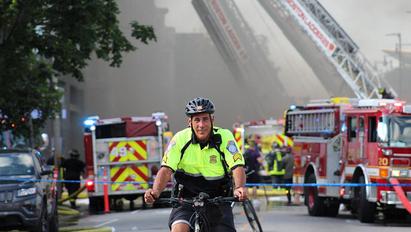
Disaster preparedness is a proactive cycle of planning, organizing, training, equipping, and exercising to reduce the impact of natural and human-caused disasters. Key steps include creating a family emergency plan, assembling a disaster kit with essential supplies for at least three days, knowing local risks, and having a communication plan to stay connected with loved ones.
Why Preparedness Matters
Reduces Loss:
It helps minimize the loss of life, livelihoods, and property by enabling timely and effective responses.
Builds Resilience:
Prepared communities and individuals are better able to cope with and recover from disasters, becoming more resilient to future events.
Key Components of Preparedness
Make a Plan:
Emergency Contacts: Identify how you will contact family members and friends if separated.
Communication: Decide on methods for receiving emergency alerts and warnings.
Shelter: Determine your plan for sheltering in place or evacuating to a designated safe location.
Evacuation Routes: Plot primary and alternative routes to get to safety.
Build a Kit:
Water: Store one gallon of water per person, per day, for several days.
Food: Keep a several-day supply of non-perishable food, including a manual can opener.
Supplies: Include a first aid kit, a battery-powered or hand-crank radio, flashlights, extra batteries, a whistle, and moist towelettes.
Medications: Gather any necessary prescription and over-the-counter medications.
Documents: Keep copies of important documents, like insurance policies.
Stay Informed:
Know Your Risks: Be aware of the types of disasters that could affect your area, such as hurricanes or floods.
Official Channels: Learn how to receive official emergency information and warnings.
Disaster survival involves preparedness, informed action during a crisis, and resilience in the aftermath, encompassing steps like assembling a disaster kit, making a plan for shelter or evacuation, staying informed through official channels, and focusing on self-sufficiency for personal, family, and community recovery. The process follows a disaster management cycle of prevention, mitigation, preparedness, response, and recovery.
Before a Disaster: Preparedness
Create a Disaster Kit:
Compile a kit with essentials such as non-perishable food, water, a first-aid kit, flashlights, extra batteries, a hand-crank or NOAA weather radio, and personal documents.
Develop a Family Emergency Plan:
Create a plan that outlines how you will stay in contact with family, what to do if separated, and where to meet.
Assess Your Environment:
Prepare your home to be disaster-ready by securing utilities and identifying safe shelter-in-place options.
Stay Informed:
Learn about local risks and resources, and know your community's emergency plans.
Train and Practice:
Learn basic first aid and CPR, and participate in disaster preparedness courses.
During a Disaster: Response
Stay Informed:
Listen to official authorities for updates on the disaster and recovery efforts.
Follow Evacuation or Shelter-in-Place Orders:
Make a critical decision on whether to evacuate or stay home, and take immediate action based on that decision.
Be Cautious:
Be aware of structural damage, gas leaks, or electrical hazards and turn off utilities if damage is suspected.
Utilize Community Resources:
Seek assistance from shelters, food banks, and medical aid if needed.
After a Disaster: Recovery
Re-establish Communication:
Use cell phones, radios, or social media to check in with family and friends.
Notify Emergency Contacts:
Inform your emergency contacts of your status.
Document Damages:
Take photos of damages for insurance claims.
Focus on Self-Sufficiency:
Continue to use your preparedness supplies to support yourself and your family during the recovery period.
Engage with the Community:
Participate in local disaster response groups or neighborhood watch programs.
Key Mindset:
Be proactive:
Address potential disasters through prevention and mitigation efforts.
Build confidence:
A common-sense approach to preparedness can reduce overwhelm and encourage action.
Embrace self-sufficiency:
The goal is to be able to care for yourself, your family, and your community in the event of a crisis.