PreparedAlready.com

PREPAREDNESS Tips, Strategies & Solutions









How To Prepare For An Emergency
This entry was posted on Nov. 1, 2016 by PreparedAlready.com.
A natural disaster can happen at any time. Some disasters give warning like a storm preceding a flood. Others, like earthquakes or tsunamis, give no warning. Once a disaster happens, the time to prepare is gone and all you can do is cope. Take the next few minutes to examine what you can do to prepare. Anything you do today to will be like making a deposit in your survivability savings account for withdrawal in tough times.
PreparedAlready.com has composed a list of recommended supplies for your car, home, and work location. At a minimum, you should prepare to be isolated and on your own for at least a minimum of 3 days and nights. There will likely be the loss of utilities after a disaster. Power outages are a given, but water may be scarce as well. The phone system may be inoperable. Your only source of news will be the car radio, assuming your local radio station has generator equipment. There might not be medical help for minor cuts or broken bones for several days.
With the loss of power comes side effects you may not think of. There will be no gasoline available. (Without power, there is no way to pump the gas.) You might be far from home. Your car's heater might be your only source of heat. The money in your pocket will have to last until power is returned. Some supplies may be available, but buying some items like a manual can opener will be impossible. Cash cards will be useless if power or phone lines are lost. Many stores will have a hard time opening since items don't have prices on them anymore, thanks to scanning cash registers! You get the picture.
How to Prepare for an Emergency
You could be just about anywhere when a disaster strikes; in the bathroom, driving to the store, sitting at your desk at work, or in the back yard. But remember, you will most likely be at, or near one of the following:
At Home
Your Car
At Work
You need to have supplies on hand at each location. It may sound like overkill, but you can't expect all three locations to be unscathed if a large disaster strikes. If you store provisions at each location, you will cover most of the likely situations. Another note: pets may not be allowed into shelters for health and space reasons. Prepare an emergency pen for pets in the home that includes, at a minimum, a three (3) day supply of dry food and a large container of water.
Some Things You Can Do to Prepare
In each section below we have provided a list of "things to do" to prepare, as well as a list of recommended supplies. The largest list is for items slanted mostly for your home. After all, home is where you have the largest space available for your supplies. This is an ideal list and we at PreparedAlready.com realize that some of these items might be a bit out of reach for many. We recommend starting small and slowly building up your supplies over time as your finances permit. Look the list over, and try to understand why some of the items are listed. What we all really need to survive is food, water, and shelter. Beyond these three categories, everything else is just for comfort. But again, anything you can put away now may be greatly appreciated if you are ever in time of need!
Prepare At Home
Home is where you can do the most to be prepared. But remember that you are only home for about 1/2 of the hours in a day. You must also be prepared at work, and have additional supplies in your car.
* Strap gas appliances to walls or floor, especially the water heater.
* Remember your water heater is a large source of water, and weighs several hundred pounds when full. A four hundred pound water heater will break gas lines on its way to the floor. Gas appliances are a real danger in an earthquake, and are the cause of most fires after a quake.
* Verify your house is bolted to its foundation.
* Repair defective electrical wiring and leaky gas connections. These are potential fire risks.
* Brace overhead light fixtures.
* Replace solid gas lines with flexible lines on stoves, water heaters, and dryers.
* Nail plywood on top of ceiling joists inside the attic to protect people from chimney bricks that could fall through the ceiling.
Know your house:
Find out where the utility shutoffs are for water, power, and gas.
Place a flashlight or an emergency light next to your breaker panel.
Place a wrench in your water meter box located near the street.
Place or attach a "4-in-1 Tool" on your gas meter for turning off the gas.
Evaluate each room in your house. Ask yourself: what will fall on my head, or will keep me from getting out if it fell? Secure anything you find. Hang heavy items such as pictures and mirrors away from beds, couches, and anywhere people sit.
Fasten shelves securely to walls and place large or heavy objects on lower shelves.
Store breakable items such as bottled foods, glass, and china in low, closed cabinets with latches.
Store household chemicals on a bottom shelf of a closed cabinet. Never store bleach and ammonia in the same cabinet. These chemicals, when mixed, will create a toxic gas as deadly as any ever created.
Identify the best and worst places to be in your house.
Remember that you might not have any choice as to where you will be located when a disaster strikes. The best places inside the house are under major beams that are secured to the rest of the structure, or in strong doorways, or inner structural walls. The worst places are in front of windows, or near fireplaces and chimneys.
Make an emergency plan including escape routes and meeting places. Choose both a nearby meeting place and an out of state relative to be your check in contact for the family.
Test your emergency plan with all members of the family present.
Plug emergency lighting into selected outlets. (These flashlights are constantly charged, and turn on automatically when power fails, or when the units are unplugged.)
Keep all tree and shrub limbs trimmed so they don't come in contact with wires.
Keep trees adjacent to buildings free of dead or dying wood.
Store combustible or flammable materials in approved safety containers and keep them away from the house.
Install smoke detectors on every level of your home and near sleeping areas.
Know your neighbors and neighborhood:
Contact your local school district to obtain policy regarding how children will be released from school.
Know the location of the nearest police and fire stations, as well as the route to the nearest hospital emergency room.
Meet with neighbors and find out who has medical experience.
If you are taking this preparedness thing seriously, share this information with the households next to you. The more people you can convince to prepare, the greater your group resources. Remember that you will be called upon by all around you for help, especially by those who didn't take warnings seriously.
(Remember Noah?)
Give spare keys to your trusted neighbors. Show them where the utility shutoffs are and provide them with a list of contact phone numbers.
Ask how to turn off your neighbors utilities.
Know your family:
Hold a home evacuation drill to test your emergency plan with all members of the family present.
Teach your children how to get help from neighbors and 911.
Keep photos of family members in wallet in case they turn up missing.
Teach household members how to turn off utilities.
In case family members are separated from one another during an earthquake (a real possibility during the day when adults are at work and children are at school), develop a plan for reuniting after the disaster.
Ask an out of state relative or friend to serve as the "family contact." After a disaster, it's often easier to call long distance.
Make sure everyone in the family knows the name, address, and phone number of the contact person.
Supplies to Store at Home
Water
30 gallons per person (2 gallons per person per day for 1 week). This might sound excessive but look at your water bill this month! This figure assumes that when at home, you will occasionally want a sponge bath, or to cook something like pasta or rice. You might even wash your hair or clothes, and will eventually flush a toilet. Large food grade 55 gallon plastic drums are ideal for bulk water storage. A good location is in your detached garage.
Remember that your water heater in the house is typically 50 gallons and may be used if your dwelling survives.
Additional water may be purchased in single use plastic bottles, and should be stored away from the house or garage. Remember that these water bottles will need to be rotated out since they have a limited shelf life unless water treatment is used.
Another, perhaps easier, solution is to store Coast Guard approved water rations or military-style canned water.
Food
Canned goods - ready to eat soups, meats, veggies and fruit. The same type of food you normally have on hand. Make a point to start buying extra of whatever you normally buy, to dedicate to your supplies. Date the top of anything you buy with a black permanent marker.
Plan for a minimum of three (3) cans per person per day for a week (about two mixed cases per person). Store these items in suitcases near corners of the house. Additional food should be stored in the garage, and at another location away from the dwelling. Pay close attention to how the packaging will hold up to damp environments. Cans will rust unless you protect them. A good way to protect an item for damp storage is to put it in a zip lock bag, then pack it inside a food grade plastic bucket (with lid).
Remember to maximize canned goods with moisture content like ready to eat soup. Don't forget a manual can opener! No power, no way to open cans!
MRE's - meals ready to eat. These are ideal for outside storage.
Remember, the key is to distribute your supplies at various locations. These may be stored in the worst of conditions. Long shelf life with no rotation. Click here for more information on MREs.
Long shelf life Freeze dried or Dehydrated foods. But remember, these items require water. Click here for more information on freeze dried and dehydrated foods.
Pet foods (as needed).
Cooking
Barbecue grill
40 pounds charcoal
2 cans of starter fluid
Or... a propane unit with two 20-pound containers of propane. A propane camp stove may also be used.
Pot(s) and pan(s) for cooking
Kitchen knife
Silverware; spoon, fork
Styrofoam cups
Waterproof matches or lighter
Zip lock bags
Can Opener!
Aluminum foil. A must! Can be formed into just about anything you might need.
Shelter
Two person tube tent minimum (larger size better)
Wool blanket or sleeping bag
Emergency space blanket
Instant hand/body warming pads
Propane-powered heater, 20 pound cylinder mounted
Medical
First aid kit. (TheEpicenter.com has several First Aid Kits available). We also recommend taking a first aid class including CPR.
First aid manual
Extra prescription medications
Aspirin or Ibuprofen
Light
Flashlight with 2 sets of spare alkaline batteries and one spare bulb. LED flashightsare also available and run much longer on a set of batteries.
Lantern battery, kerosene or propane powered. Store fuel or batteries, but never use fuel based lighting until you are sure gas leaks are eliminated.
Long life candles
Waterproof matches or lighter
Communication
AM/FM radio. Store at least three (3) sets of alkaline batteries for standard units. Inexpensive radios are available at many retail stores (i.e., Radio Shack, Walmart). The best radio is one that has rechargeable NI-cads built in, and may be charged with the built-in solar cell, or by cranking on a built in generator handle. A solar powered survival radio is available from TheEpicenter.com. We recommend this radio for your supplies in your car as well.
Pen, pencil, and paper pad. Store in zip lock bag.
Stamped postcards. Store in zip lock bags. Your house might be gone, but if you still have a mailbox, the mail will continue service. An easy way to stay in touch with family far away.
List of important phone numbers, including your out of state focal
Weather radio or police scanner. A bit expensive, but a weather radio is a must in tornado or hurricane country.
Tools
Fire extinguisher - large 5-20 pound, type ABC
Crow bar, 1 ft min.
Leather gloves
Multi-function pocket tool or knife
Plastic tarp, 9x12 ft min
Nylon rope, 100 foot (or Paracord)
Duct tape
A multi-purpose tool for shutting of gas and water main valves
Portable generator. Make your selection based on what really needs to be powered and the run time of the model. Our recommendation is for a maximum size of 5 HP, 2250 Watt 120 vac only. To get a 230 vac generator will require an 8 HP motor, and your run time will drop in half. Typically, the only items in your house that will require 230 vac is an electric heating system, an electric water heater, or an electric range. What you really need to power is a refrigerator, a few lights, and a radio.
Power converter for running 120 volt items from car battery.
Sanitation/Hygiene
Portable chemical toilet and disinfectant crystals. Store in garage away from house. You will only need this if your dwelling is damaged, or if your water supply is limited.
Toilet tissue rolls. Store inside portable toilet.
Garbage bags. Can also be used as toilet liners.
Pre-moistened towelettes
All purpose liquid soap
Tooth brush and paste
Disposable razor
Feminine hygiene items
Latex gloves
Gallon of disinfectant
Items for Baby (if needed)
Baby formula and plastic bottles
Large box disposable diapers
Pre-moistened wet wipes
Baby blanket and knit cap
Two or three complete change of baby clothes
Miscellaneous
One complete change of clothing for each person
Emergency poncho
Pair of boots each person
Phone change. $6.50 in quarters fit in a plastic 35 mm film container nicely
$50 cash minimum, in ones, fives, and tens
Duplicate credit cards
Photo copies of ID
Spare checks
Playing cards
Spare keys


Disaster Preparedness For Your Car
Always keep your gas tank full! Fill it when it reaches 1/2 a tank. You will thank yourself the first time you are stuck in a traffic jam in the dead of winter. (A few years ago in my home town of Seattle, a winter storm took us by surprise and crippled the city with abandoned vehicles. Most of them ran out of gas while waiting for accidents to be cleared from the roads.)
Think of your car's trunk as a big steel supply cabinet. Keep your supplies in the trunk along with other items like tools, jumper cables and spare tire.
Even if you are at home when a disaster strikes, and your home is well stocked, you may still need the supplies in your car. Your house may not be safe to enter, or may catch fire after a disaster like an earthquake (like many houses in Kobe or the Honshu District of Japan, or the Marina District of San Francisco).
Your car will be one of your most important resources after a disaster strikes. Keep it mechanically sound, and pay close attention to the exhaust system. A leaking exhaust system could kill.
Replace your battery every 2-3 years. In an emergency, your car battery will need to run the radio and heater for extended periods.
Have a mechanic check the following items on your car to keep it ready:
Battery
Antifreeze
Wipers and windshield washer fluid
Ignition system
Thermostat
Lights and flashing hazard
Exhaust system
Heater
Brake
Defroster
Make sure the tires have adequate tread
Supplies to Store in Your Car
Components should be placed in a good quality backpack.
Store backpack in trunk of car.
Emergency water rations. Six 4 oz minimum
Food calorie bars (3600, 3-day recommended)
MREs meals ready to eat, three minimum
MRE chemical heaters, three minimum
Emergency poncho
Tube tent
AM/FM radio with batteries (solar powered model recommended)
Flashlight with batteries (wind-up dynamo crank models recommended)
Matches or lighter
Emergency blanket (aka "Space Blanket")
First aid kit / medical supplies
Can opener
Multi-purpose pocket tool or camping knife
Hand/body warming pads
Iodine-based water purification tablets or giardia filter straw
Multi tip screwdriver
Pliers
Leather work gloves
Map of local area
Phone change ($6.50 in quarters fit in a plastic 35 mm film container nicely)
$50 cash, in ones, five's, and tens (keep locked in a safe location!)
Two garbage bags
Latex gloves
Pen, pencil, and paper pad. Store in zip lock bag
List of important phone numbers, including your out of state contacts (keep in a safe location)
Rain gear and extra clothes
Small sack of sand for generating traction under wheels
Small shovel
Booster cables
Brightly colored cloth to use as a flag

Disaster Preparedness At Work
Read your company's evacuation plan! Note the designated meeting locations for after an evacuation.
Each time you enter a room, take note of the exit routes and locations of fire extinguisher and medical kits.
Note locations of stairways as you walk from location to location.
Keep your own personal supplies in your desk in a single pack of some kind that you can access quickly. Along with your supplies, store a pair of walking shoes.
Be sure you have composed a card to carry in your wallet or purse with important phone numbers including the number of your out of state phone contact.
Keep the area under your desk free of waste-paper baskets and the like. This 6 square foot area might be home during a few traumatic moments.
If you are not at your desk when something happens, don't count on being able to make it back. Store additional supplies in your car (see below).
Supplies to Store at Work
Take a look around your work site. You will find that state and federal regulations have required your employer to have fire extinguishers and first aid kits at key locations.
Some employers are beginning to place chemical light sticks and other emergency supplies in some areas as well, but you should probably plan for the worst. You need the supplies to be on your own for a minimum of three days. It may take you that long to get home, and don't count on your car being accessible especially if you park in a building parking structure.
TheEpicenter.com has several basic supply kits that are ideal for your desk/workplace. Items that you may want to consider to have on hand at work include:
Emergency water rations
MRE's - Meals ready to eat, or Coast Guard approved food rations
Emergency blanket (aka "Space Blanket")
Flashlight with extra batteries or chemical light sticks

Disaster Preparedness Overview
Disaster preparedness is a proactive cycle of planning, organizing, training, equipping, and exercising to reduce the impact of natural and human-caused disasters. Key steps include creating a family emergency plan, assembling a disaster kit with essential supplies for at least three days, knowing local risks, and having a communication plan to stay connected with loved ones.
Why Preparedness Matters
Reduces Loss: It helps minimize the loss of life, livelihoods, and property by enabling timely and effective responses.
Builds Resilience: Prepared communities and individuals are better able to cope with and recover from disasters, becoming more resilient to future events.
Key Components of Preparedness
Make a Plan: Emergency Contacts: Identify how you will contact family members and friends if separated.
Communication: Decide on methods for receiving emergency alerts and warnings.
Shelter: Determine your plan for sheltering in place or evacuating to a designated safe location.
Evacuation Routes: Plot primary and alternative routes to get to safety.
Build a Kit:
Water: Store one gallon of water per person, per day, for several days.
Food: Keep a several-day supply of non-perishable food, including a manual can opener.
Supplies: Include a first aid kit, a battery-powered or hand-crank radio, flashlights, extra batteries, a whistle, and moist towelettes.
Medications: Gather any necessary prescription and over-the-counter medications.
Documents: Keep copies of important documents, like insurance policies.
Stay Informed:
Know Your Risks: Be aware of the types of disasters that could affect your area, such as hurricanes or floods.
Official Channels: Learn how to receive official emergency information and warnings.




Preparedness For A Chemical Attack
Being prepared for a chemical attack involves creating an emergency plan, assembling a supply kit, and knowing the proper response for different scenarios. The specific actions you take will depend on your location at the time of the event and instructions from authorities.
Before an attack
A chemical attack may occur without warning. Be aware of signs such as people having difficulty breathing, eye irritation, nausea, or a large number of dead insects or birds.
Create a family emergency plan. Include meeting points both within and outside your immediate neighborhood. Identify an out-of-town contact person who can help communicate among separated family members.
Prepare an emergency supply kit. In addition to standard supplies, include items for sheltering in place:
Plastic sheeting and duct tape to cover doors, windows, and vents.
Scissors to cut sheeting and tape.
A battery-powered or hand-crank radio for official information.
Pre-measure and cut plastic sheeting for all windows, doors, and vents in your designated shelter room. Label each piece to save critical time during an emergency.
Identify a safe room in your home or workplace. This should be an interior room with as few windows and vents as possible, and preferably on an upper floor since some chemicals are heavier than air and sink to lower levels.
Establish communication protocols with your family. If separated, texting or using social media may work better than phone calls, which can be difficult during an emergency.
Plan for pets. Include pet food, medication, and other supplies in your kit. Find pet-friendly accommodations ahead of time.
During an attack
The Centers for Disease Control and Prevention (CDC) provides guidance based on whether you are instructed to shelter in place or evacuate. The first step is to listen to authorities via radio, TV, or emergency alerts.
If instructed to shelter in place: Act quickly by getting inside the nearest building with pets and going to your safe room.
Seal the room by closing and locking windows and doors, turning off HVAC systems, and using plastic sheeting and tape to cover openings.
Avoid basements as many toxic gases are heavier than air.
Remain calm, listen to alerts, and stay in the shelter until authorities say it's safe.
If instructed to evacuate: Leave immediately, moving upwind from the chemical source.
Find a public shelter using official information.
If in a car, close windows and vents and turn off the air conditioner and heater.
Do not pick up children from school as they will likely be sheltered there.
After an attack
If exposed and medical help is not immediate, decontaminate yourself within minutes by removing all clothing and items that came into contact with the chemical, placing them in a sealed plastic bag. Wash your hands, flush your eyes, and gently wash and rinse your face and hair.
Seek medical attention after initial decontamination, informing professionals of your exposure.
Do not return home after evacuating until authorities announce it is safe.

Preparedness Strategies for
Biological Attack Threat
Preparedness for a biological threat involves having an emergency kit, a family communication plan, and staying informed about potential hazards. Key actions include up-to-date immunizations, securing a {high-efficiency particulate air (HEPA) filter} for your home, knowing community plans for dispensing antibiotics, and practicing frequent handwashing to prevent the spread of infection.
Before a Biological Event
Build an Emergency Kit:
Stock non-perishable food and water (one gallon per person per day for three to seven days), a battery-powered or hand-crank radio, flashlights with extra batteries, a first-aid kit, and any personal prescription medications.
Create a Family Emergency Plan:
Establish a way to contact family members and identify meeting places outside your neighborhood.
Stay Informed:
Know your community's warning systems and disaster plans by contacting your local health department.
Get Vaccinated:
Check with your doctor to ensure that everyone in your family has up-to-date immunizations.
Consider a HEPA Filter:
Install a HEPA filter in your home's central heating/cooling system to help remove biological agents from the air.
During and After a Biological Event
Follow Official Guidance:
Listen to public health authorities for instructions on where and when to get antibiotics and other medical supplies.
Practice Good Hygiene:
Wash your hands frequently with soap and water and avoid sharing food or utensils.
Avoid Crowds: Steer clear of crowded places to reduce potential exposure to a biological agent.
Decontaminate if Exposed: If exposed to a biological agent, you may need to remove and bag your contaminated clothes, wash with soap and water, and put on clean clothes.
Additional Resources
Visit Ready.gov for general information on biohazard preparedness and resources.
Check the Centers for Disease Control and Prevention (CDC) website for specific details on biological threats and response.

Preparedness For A Bioterrorism Attack
To prepare for a bioterrorism attack, create a family emergency plan and supply kit with essentials like food, water, and medications; maintain updated immunizations for your family and consider a HEPA air filter to filter your home's air; stay informed by listening to local news for official instructions during an event; and know how to shelter-in-place by going indoors, sealing your home, and using a radio or TV to get updates.
1. Build an Emergency Supply Kit
Gather enough food, water, and supplies to last for at least three to four days.
Include any necessary medications your family takes regularly.
Keep emergency contact information handy for your home, work, and school.
2. Create a Family Emergency Plan
Develop a plan for how your family will get in touch with each other during a disaster.
Ensure all family members, including children, have access to their emergency kits at school or work.
3. Stay Informed and Get Updates
During an incident, tune into a local radio or television station to receive important emergency information and instructions from authorities.
A local health department can also provide community-specific information for bioterrorism concerns.
4. Shelter-in-Place During a Biological Release
If you become aware of a biological agent release in your area, go indoors immediately.
Close all doors and windows and shut off systems that exchange air, such as furnaces and air conditioners.
Move to an interior room as high as possible in the building and seal doors and windows with plastic sheeting and tape.
4 Preparedness Strategies For A Bioterror Attack
The four main ways to prepare for a bioterrorism attack are to create emergency supply kits, make a family emergency plan, know when and how to shelter in place, and stay informed through official sources.
1. Build emergency supply kits
Prepare a "go-kit" for your home, car, and workplace with essential items you may need for several days. Include the following items:
Water and food: Have a three- to seven-day supply of bottled water and non-perishable foods.
First-aid kit: Include bandages, antiseptic wipes, any daily prescription medications, and a list of medical contacts.
Communication tools: Pack a battery-powered or hand-crank radio, flashlights, and extra batteries to receive emergency broadcasts.
Sanitation and personal items: Include items like soap, hand sanitizer, and disposable wipes. Also, pack supplies for infants, the elderly, or those with special needs.
Protective gear: Have N95 masks or dense-weave cotton material to cover your nose and mouth if directed by officials. Do not rely on gas masks.
2. Create a family emergency plan
A well-developed family plan ensures everyone knows what to do in a disaster scenario.
Establish a communications plan: Designate an out-of-state contact who family members can call in case local phone lines are down.
Update immunizations: Check with your doctor to make sure everyone in your family has up-to-date vaccinations.
Practice drills: Conduct household drills to ensure everyone knows the plan. If you have children, familiarize yourself with their school's emergency procedures.
Secure important documents: Keep important family documents in a waterproof container and include them in your go-kit.
3. Know when and how to shelter in place
In a biological attack, you may be instructed to "shelter in place," which means staying inside your home or office to avoid contaminants.
Go inside immediately: Get indoors as quickly as possible if a potential attack has occurred.
Close and seal openings: Shut and lock all doors and windows. Turn off heating, air conditioning systems, and fans. Use plastic sheeting and duct tape to seal gaps around windows, doors, and vents.
Find a safe room: Move to an interior room with the fewest windows and doors. An upstairs room is best, as many chemical and biological agents are heavier than air.
Wait for the "all clear": Remain in the sealed room and listen to a radio or television for official instructions from emergency officials on when it is safe to leave.
4. Stay informed and follow official guidance
Because bioterrorism is often not immediately obvious, staying informed is critical.
Identify suspicious substances: Pay attention to suspicious powders, envelopes, or packages. Do not shake or empty them. Secure the item, leave the room, wash your hands, and call authorities.
Monitor official channels: Rely on television, radio, and emergency alert systems for timely and accurate information. Pay attention to instructions regarding symptoms, distribution of medication, and locations for medical attention.
Seek medical assistance: If you suspect you've been exposed, seek medical attention immediately. You may be instructed to self-quarantine or take specific medications.
Wash thoroughly: If your skin or clothing has been exposed to a potential agent, remove and bag your clothes, then wash yourself with warm, soapy water. Do not reuse contaminated items.




Preparing For A Nuclear Strike
Preparation for a nuclear strike focuses on three core principles to protect against radiation: distance, shielding, and time. Official guidance from the CDC and FEMA emphasizes the "Get Inside, Stay Inside, Stay Tuned" message.
Before a nuclear strike
1. Prepare an emergency kit. Your kit should be sealed and ready to go into your shelter. It should include:
Bottled water (1 gallon per person per day for at least 3 to 7 days).
Packaged, non-perishable food (at least a 3 to 7-day supply).
A battery-powered or hand-crank radio for official instructions. Cell phones, TV, and internet may be out.
Extra batteries and power banks.
A flashlight.
A first-aid kit and any necessary medications.
A change of clothes for every person.
Heavy-duty plastic sheeting, duct tape, and scissors for sealing your shelter.
A sanitation kit (e.g., toilet paper, wipes).
A plastic bag to seal contaminated clothing.
Cash and copies of important documents.
2. Identify a shelter location. The ideal spot is a basement or an underground area, or the center of a large, multi-story building.
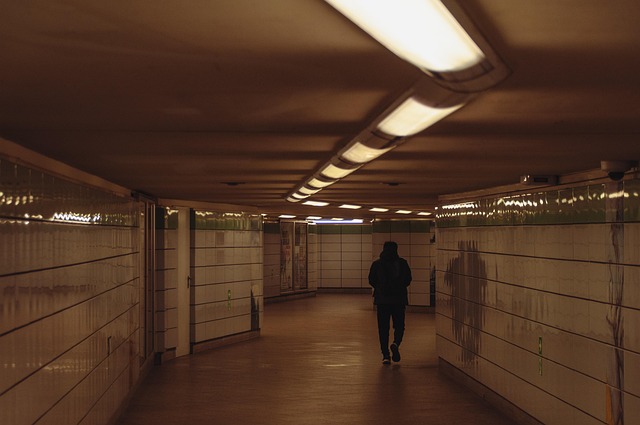
Best protection: An underground, windowless area, such as a subway or a basement.
Good protection: The interior of a large, concrete or brick building, away from windows and exterior walls.
Inadequate protection: Vehicles, mobile homes, and the top floors of buildings do not offer sufficient shielding from fallout.
3. Make a family emergency plan.
Communication: Plan how you will communicate with and locate loved ones. Text messages may work when phone calls do not.
Meeting place: Designate a safe place to meet if you get separated.
Facility plans: Check with your child's school and your workplace to learn their emergency plans.
During a nuclear strike
1. Heed the alert. An incoming nuclear detonation may be preceded by an alert, and a flash of blinding light will likely be the first sign of an explosion.
If you receive a warning, seek shelter immediately.
Do not look at the flash or fireball, as it can cause temporary or permanent blindness.
2. Protect yourself from the blast. If you are outdoors, immediately take cover.
Drop to the ground face-down and cover your head with your hands.
If possible, keep your mouth open to protect your eardrums from the pressure wave.
If there is a car nearby, pull over, get out, and get inside a nearby building or lay in a ditch. Your car offers little protection from the blast.
3. Seek shelter immediately. After the initial blast, you may have 10 or more minutes to find sturdy, adequate shelter before radioactive fallout arrives.
Go to a pre-identified shelter, such as a basement or the center of a large building.
If you are in a building, stay away from windows. Windows can shatter from the shockwave up to 10 miles away.
Go to a central room or basement, as far away from the roof and outer walls as possible.
4. Decontaminate yourself. If you were outside during the fallout, get clean as soon as you get inside to limit exposure.
Remove your outer layer of contaminated clothing carefully to prevent kicking up dust. Place it in a sealed plastic bag and move it away from people and pets.
Wash yourself and your pets with soap and water.
Do not use hair conditioner, lotions, or creams, as they can bind radioactive material to your skin and hair.
5. Shield and seal your shelter. Once inside, increase your protection from fallout.
Shielding: Use dense, heavy materials like sandbags, bricks, water containers, furniture, and books against walls and over windows.
Sealing: Use plastic sheeting and duct tape to seal windows, doors, and vents that draw in outside air. You can remove these after the initial fallout cloud passes.
Ventilation: Turn off any air conditioners or forced-air heating units. Close fireplace dampers.
After a nuclear strike
1. Stay inside. The highest level of radiation occurs immediately after the fallout arrives, then decreases over time.
Remain in your shelter for at least 24 hours, or longer if instructed.
Authorities will advise you when it is safe to leave.
Fallout radiation decreases to about 1% of its initial level after two weeks.
2. Stay informed. Listen to your battery-powered or hand-crank radio for updates and official instructions. Do not leave your shelter unless instructed to do so.
3. Food and water. Consume food and water that was inside a building or in sealed containers.
Wipe off sealed containers before opening them.
Do not eat or drink uncovered food or liquids from outdoors.
Tap water is generally considered safe for washing or even drinking after a radiation emergency unless authorities state otherwise.
4. Seek medical attention. If you or someone you are with is sick or injured, listen for instructions on how and where to get medical help. Do not go to a hospital unless you have a life-threatening medical condition, as facilities may be overwhelmed.
5. Consider psychological needs. A nuclear emergency can be a traumatic experience.
Remain informed through credible sources while limiting excessive media exposure, especially for children.
Recognize that others are also experiencing emotional stress and offer support.
Pay attention to your emotional and physical health needs

Finding Community Fallout Shelters
Before A Nuclear Attack
During the Cold War, the U.S. government designated many public buildings as fallout shelters, which were marked with official black-and-yellow signs. However, the federal program that funded and stocked these public shelters was ended in the 1970s, and most of these locations are no longer maintained for that purpose.
Today, there is no official, publicly maintained network of designated community fallout shelters in the United States.
How to find the best local shelter
Since there are no official public shelters, the most important step is to identify the best improvised shelter near you based on its ability to provide protection from radioactive fallout. Fallout is heavy, radioactive dust that can be effectively blocked by dense, heavy materials.
A suitable fallout shelter should be: A basement. An underground or windowless area, such as a basement, offers the best protection.
The interior of a large building. If an underground shelter is not available, the center of a large, multi-story building made of brick or concrete is a good option. Stay away from windows and exterior walls.
Not a vehicle. Cars, mobile homes, and the top floors of buildings provide insufficient shielding from fallout.
For residents in your area, some resources have identified former Cold War shelters and provided guidance on finding your own.
Before a nuclear strike
Your best course of action is to make a list of potential shelters near your home, workplace, and children's school.
Look for basements and underground spaces. Scope out nearby buildings to see which have underground levels, such as parking garages or storage areas.
Identify suitable multi-story buildings. Map out sturdy, larger buildings that could provide adequate protection if their underground levels aren't accessible. This could include large office buildings, hospitals, or schools.
Find shelter locations for hurricanes. While not designed for fallout, your county's hurricane shelter list may include large, reinforced public buildings that could serve as a potential shelter. Pasco County's Emergency Management page lists public shelters.
During and after a nuclear strike
Follow the "Get Inside, Stay Inside, Stay Tuned" message.
Your first priority is to get indoors immediately. If you have time, head to your pre-identified shelter.
Once inside, listen to the battery-powered or hand-crank radio from your emergency kit for official instructions and guidance.