PreparedAlready.com

RESOURCES
ISSUES - STRATEGIES - SOLUTIONS










BUILD AN EMERGENCY SUPPLY KIT

ADVANCING
SCIENCE FOR
DISASTER RESILIENCE
Resources to Help Communities During Disasters
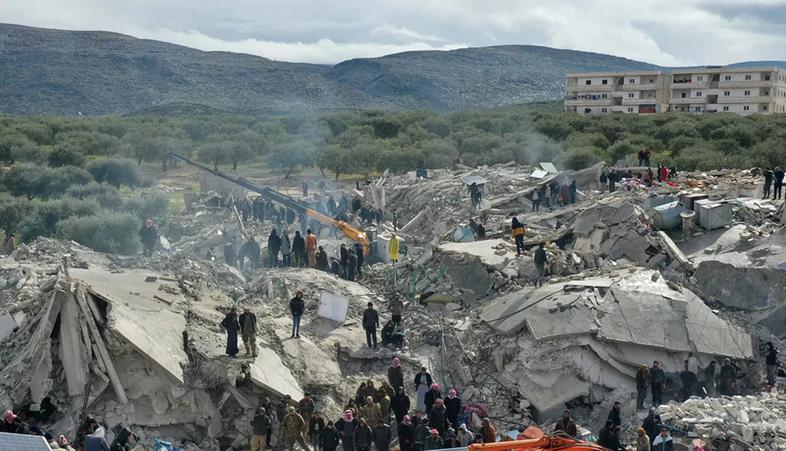
Various federal agencies, national non-profits, and local organizations provide critical resources to help communities before, during, and after a disaster. These resources include financial aid, temporary housing, food assistance, and mental health support.
Federal resources
For individuals and communities
Federal Emergency Management Agency (FEMA): Following a presidentially declared disaster, FEMA can provide direct financial and housing assistance to eligible individuals and households. Information is available on the FEMA app and at DisasterAssistance.gov.
Substance Abuse and Mental Health Services Administration (SAMHSA): SAMHSA runs a 24/7, multi-lingual Disaster Distress Helpline that provides crisis counseling to anyone experiencing emotional distress related to natural or human-caused disasters.
Department of Housing and Urban Development (HUD): Provides long-term recovery support, including flexible Community Development Block Grant Disaster Recovery (CDBG-DR) funds to help communities rebuild.
USA.gov: This portal offers comprehensive information on how to apply for federal disaster assistance and can help determine eligibility.
For rural communities, businesses, and farmers
U.S. Department of Agriculture (USDA): Offers various programs and grants to aid rural residents, businesses, and communities in recovering from disasters, including assistance for housing, facilities, and water systems.
U.S. Small Business Administration (SBA): Offers low-interest disaster loans to help eligible homeowners, renters, businesses of all sizes, and certain non-profits repair or replace damaged property.
Non-profit and private resources
The American Red Cross
Emergency food and shelter: Provides emergency food and temporary shelter for individuals and families displaced by a disaster.
Health and mental health services: Offers disaster health and mental health services to those affected.
Community resource directory: Provides a resource directory to help people find free and reduced-cost services in their area.
Habitat for Humanity
Family preparedness plan: Offers a "Family Preparedness Plan" to help families and homeowners prepare for different types of disasters.
FindHelp.org and 211
Resource directories: FindHelp.org is an online network that lists free and reduced-cost social care programs across the country. Similarly, you can call or text 211 for confidential help finding a wide variety of local resources.
How to prepare as a community member
Create an emergency kit: Assemble a kit with essentials like water, non-perishable food, flashlights, batteries, and important documents.
Establish a family communication plan: Plan for how family members will communicate and where they will meet in case of separation.
Stay informed and get involved: Monitor local news and weather alerts. Consider joining local emergency response teams, like a Community Emergency Response Team (CERT), or volunteering with your local American Red Cross.
Assist vulnerable neighbors: Reach out to vulnerable or isolated neighbors to offer support and help with their disaster preparations.
More Resources to Help With
Long-Term Community Recovery
For long-term recovery after a disaster, communities can leverage a mix of federal and state programs, non-profit organizations, and local groups focused on sustainable rebuilding and economic revitalization. In Florida, which is frequently impacted by hurricanes, there are specific programs tailored to the state's needs.
Federal programs
Community Development Block Grant-Disaster Recovery (CDBG-DR): Administered by the U.S. Department of Housing and Urban Development (HUD), these flexible, supplemental grants help communities rebuild in disaster-impacted areas. In Florida, these funds are channeled through the state's Rebuild Florida program.
Economic Development Administration (EDA) Grants: The EDA offers grant programs to help distressed communities recover from disasters. The EDA's FY2025 Disaster Supplemental Grant Program, for example, is for communities impacted by disasters in 2023 and 2024 and focuses on long-term economic resilience.
FEMA's Public Assistance (PA) Grant Program: This program helps local and state governments with the costs of rebuilding damaged infrastructure and publicly owned facilities. It also provides funding for hazard mitigation measures to protect against future disasters.
Environmental Protection Agency (EPA) Brownfields Program: The EPA offers grants to assess and clean up contaminated brownfield sites, which can be part of broader revitalization efforts after a disaster.
Florida-specific resources
Rebuild Florida: Managed by the Florida Department of Commerce, this program oversees the distribution of CDBG-DR funds to help homeowners, businesses, and communities recover and become more resilient. It includes specific programs for repairs, replacement, and loans.
Florida Housing Finance Corporation: This state agency offers resources to assist with long-term housing needs. Programs can include assistance with home repairs, rental assistance, and temporary relocation.
Elevate Florida: A statewide residential mitigation program from the Florida Division of Emergency Management (FDEM) designed to help property owners strengthen homes against natural disasters. It offers funding assistance, with homeowners contributing a portion of the project's cost.
Florida Disaster Fund: The state's official private fund for financial assistance, which is distributed to service organizations that help communities with long-term recovery efforts.
Non-profit and local initiatives
Long-Term Recovery Groups (LTRGs): These cooperative bodies, made up of various community organizations, coordinate efforts to help individuals and families with long-term recovery. An LTRG may include sub-committees for case management, construction, and emotional support.
National Voluntary Organizations Active in Disaster (VOAD): A national and state-level coalition of organizations that work together on disaster relief and recovery. The Florida VOAD helps coordinate non-profit activities across the state.
Team Rubicon: Pairs the skills of military veterans with first responders to provide immediate relief and long-term recovery efforts in disaster-affected areas.
SBP (St. Bernard Project): This national non-profit works to shorten the time between disaster and recovery by rebuilding homes and providing technical assistance.
Mental Health Resources: Organizations like the Florida Psychological Association and the Substance Abuse and Mental Health Services Administration (SAMHSA) provide long-term mental health support to survivors and responders.
How communities can organize long-term recovery
Form an LTRG: Create a local, cooperative body with representatives from faith-based groups, non-profits, government agencies, and businesses to coordinate efforts.
Develop a Comprehensive Recovery Plan: Use resources like FEMA's Community Recovery Toolkit to create a strategic plan that incorporates input from all community sectors.
Secure Diverse Funding: Pursue both federal grants, like CDBG-DR and EDA grants, and private funding from community foundations and philanthropic partners.
Emphasize Resilience and Mitigation: Invest in projects that not only repair damage but also strengthen infrastructure and housing to withstand future disasters.
Address Human Needs: Provide sustained mental and behavioral health support, address complex issues like legal aid, and ensure the most vulnerable populations are not left behind.